Preparation time
15 min
Fermentation time
24 hrs minimum
Makes
1 lt kefir
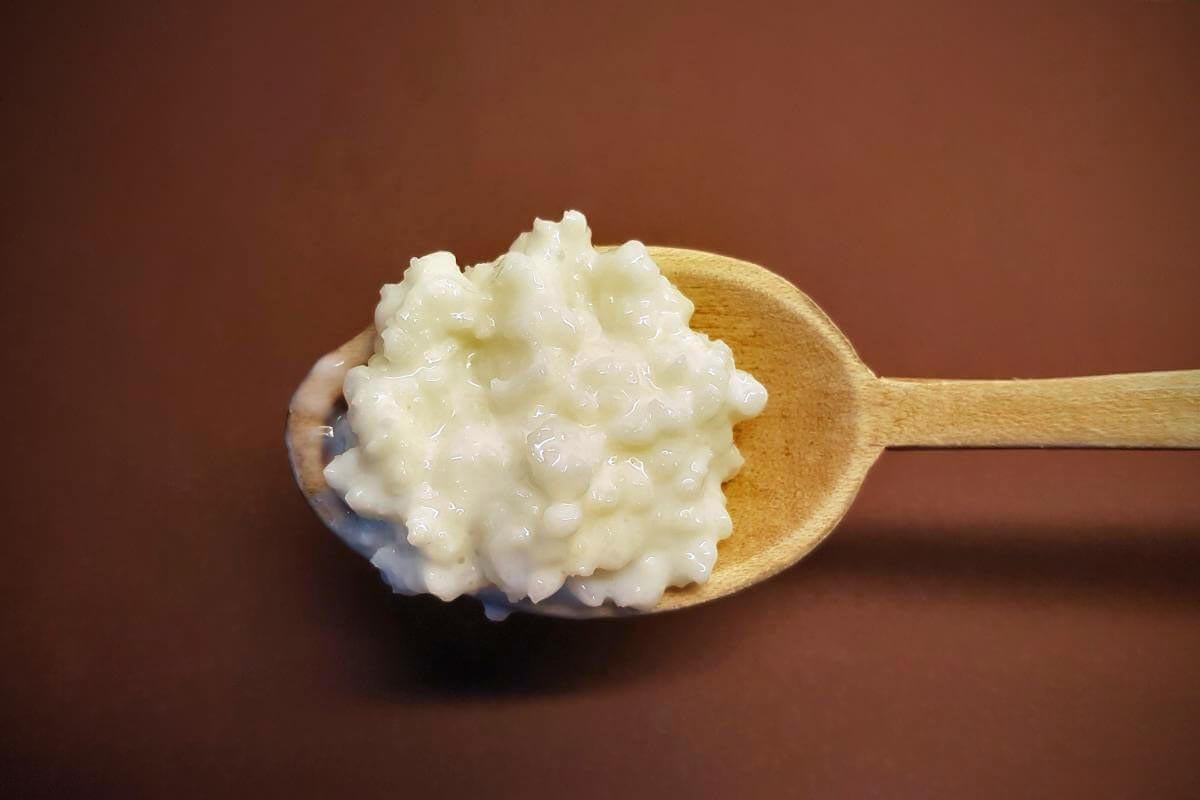
Kefir is a product of milk fermentation that has its origins in Caucasus and Tibet. The probiotic content of kefir is superior to all other fermented dairy products, like yoghurt. Read the full health benefits of kefir her.
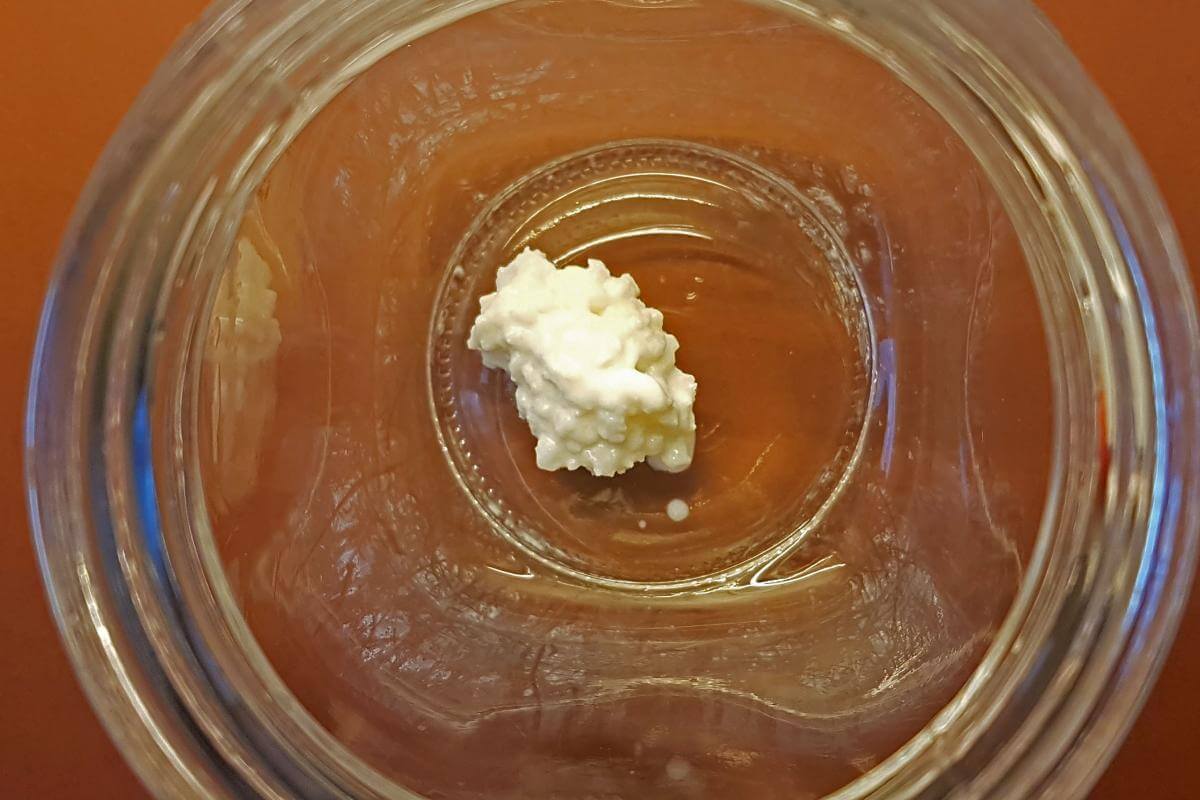
The most important ingredient for making kefir is the grains. These you can get fresh from someone that already makes kefir, or buy them in a dehydrated form, and re-hydrate them according to the instructions. Both work equally well.
The end product is not as thick as yoghurt, and it can be enjoyed as a drink, in a smoothie or with oats, fruits and nuts for a healthy breakfast!
What You Will Need
- A big bowl (min 2 liter) to drain the kefir
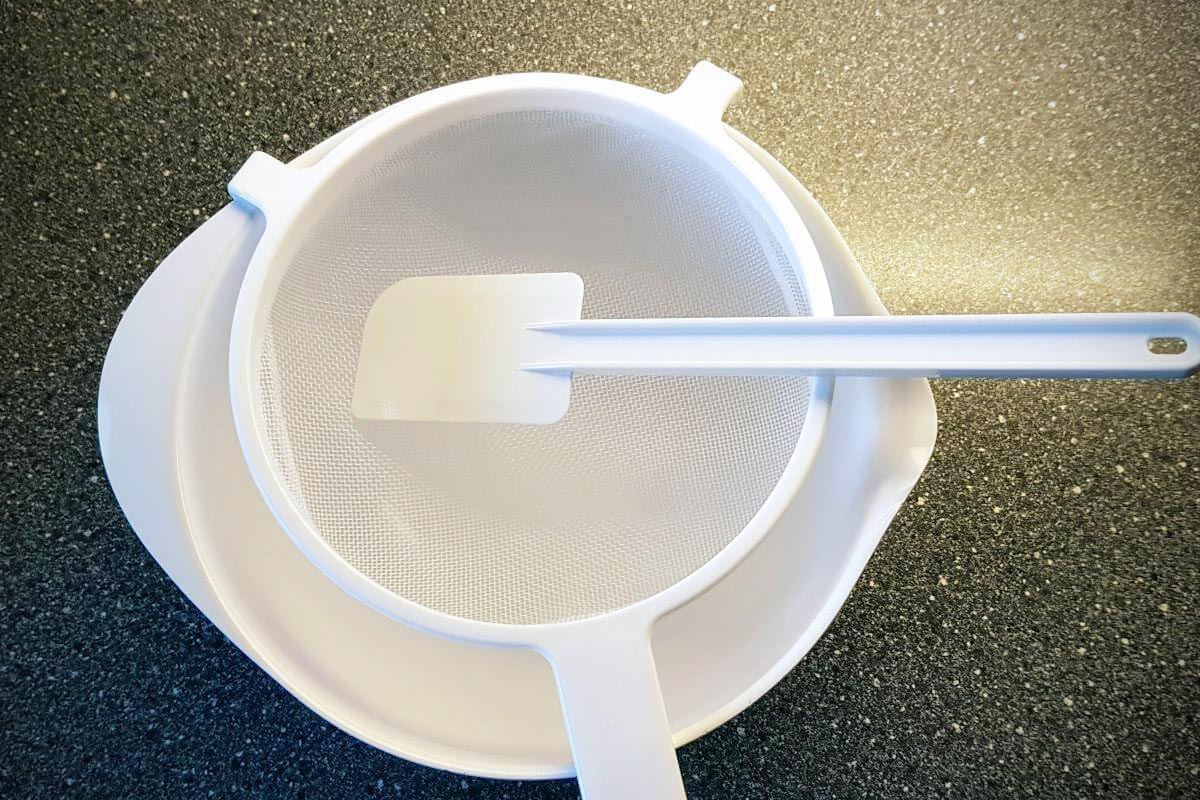
- A plastic sieve and spatula
- A glas jar (1,5 liter) for the fermentation
- 1 tablespoon of kefir grains
- 1 liter milk of your choice
- A bottle (1 liter)
Method
Step 1
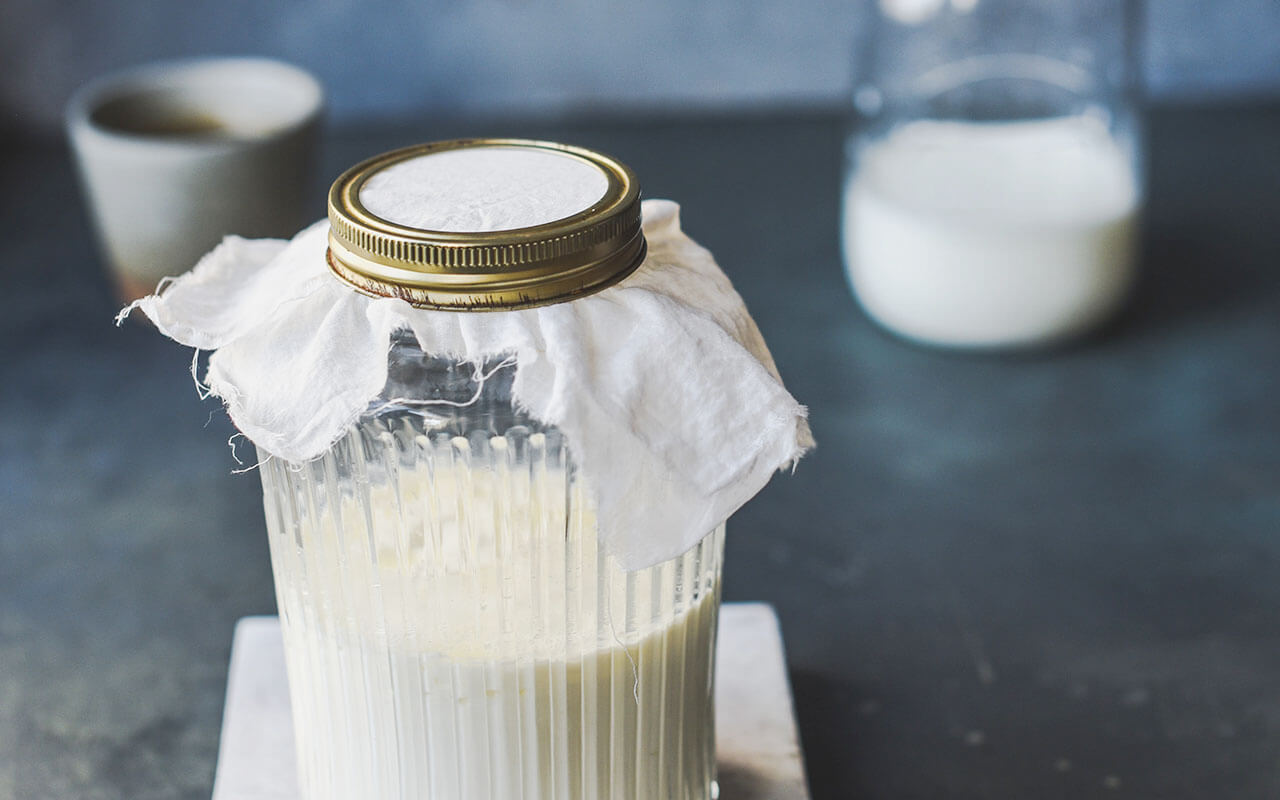
Put the kefir grains in the 1,5 liter jar and pour 1 liter milk on top, no need to stir. Cover the jar with a breathable material, paper towels and an elastic work fine.
Step 2
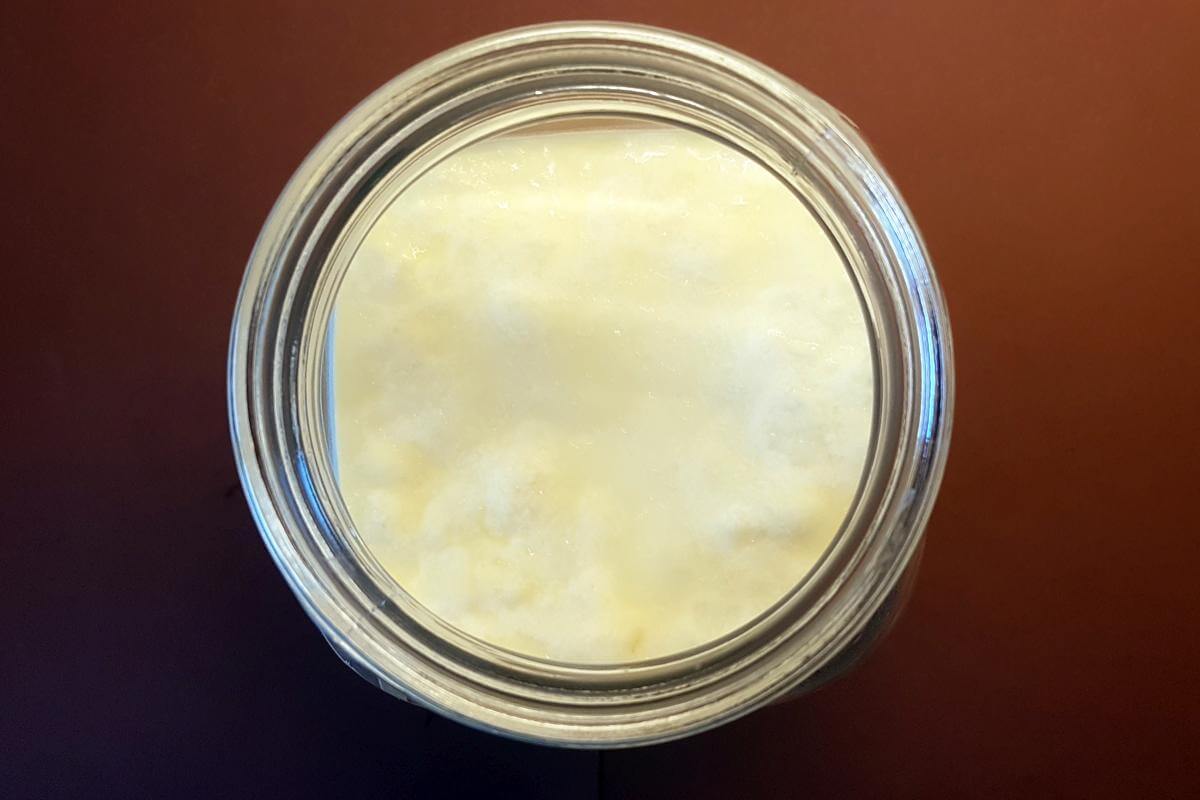
Place the jar at a place away from the sun for minimum 18 hrs. It all depends on room temperature. The warmer the climate, the fastest the process.
Step 3
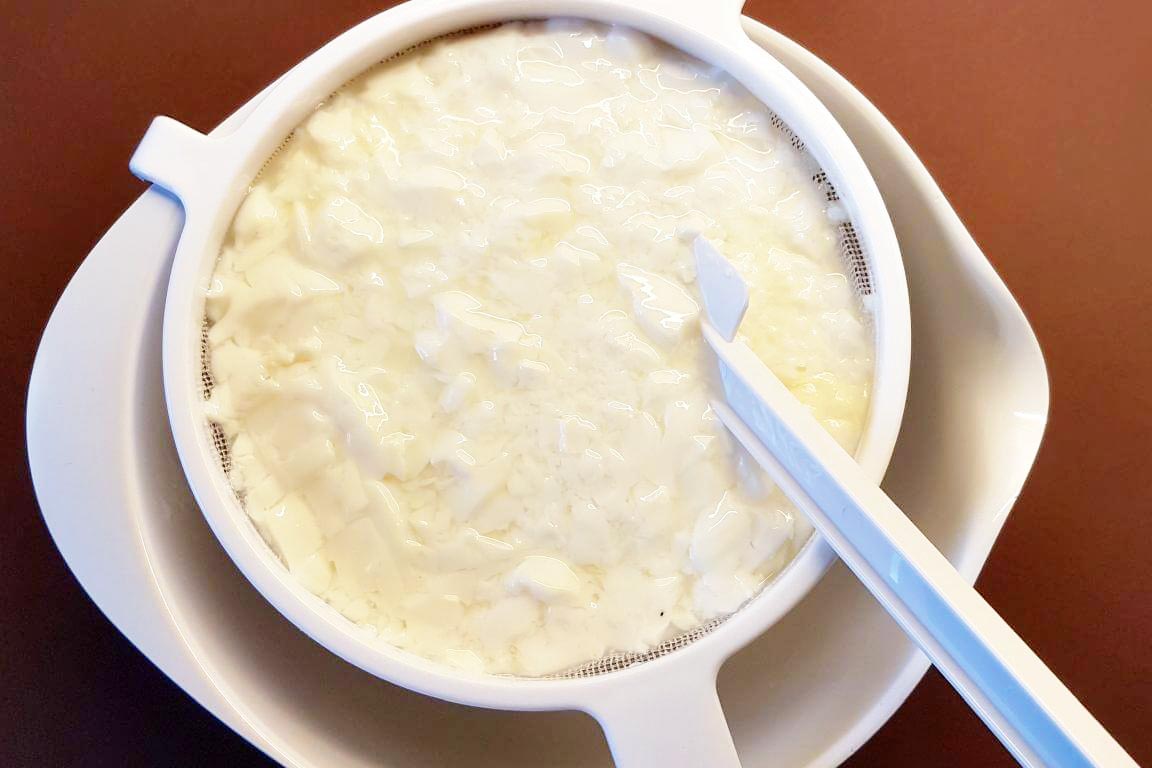
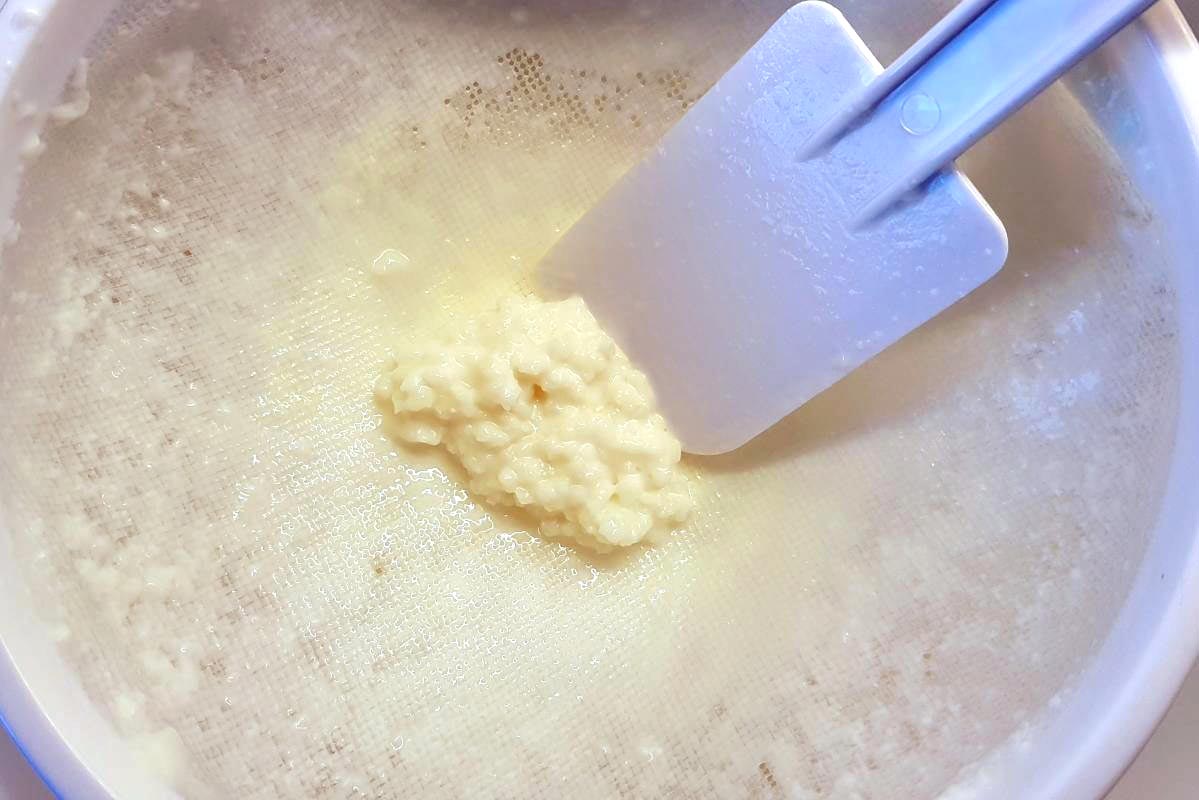
Pour the kefir through a strainer into a big bowl. With the help of a plastic spatula you can separate the liquid kefir from its grains.
Step 4
Put the grains in a clean jar with milk to start the fermentation process once again.
Step 5
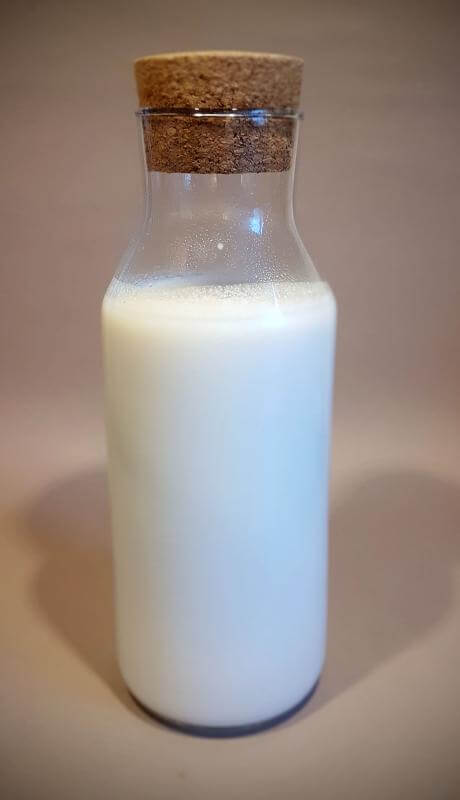
Stir the kefir a bit to get a more homogenised result, pour it in the bottle and refrigerate.
NOTES
Since metal can oxidize, and thus deteriorate the bacteria flora, it is generally recommended to use plastic utensils.
You may choose any kind of milk. The greatest the % of fat, the smoothest the end product will be. No difference in taste though.
Going on vacation? No problem. You can refrigerate the kefir grains up to 4 weeks (or even 6 from personal experience). Cover them with milk as usual and put the jar in the fridge. Low temperatures inhibit the fermentation process. When back, discard the milk and start from the beginning.
The grains constantly multiply, so you will have to throw away any excess amount from time to time, or even better, give them to a friend.